
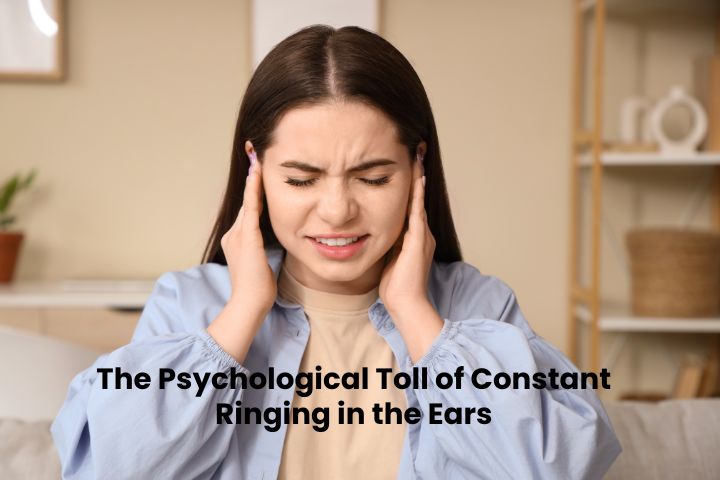
The Psychological Toll of Constant Ringing in the Ears
For many people, tinnitus starts quietly.
A faint ringing in the ears.
A soft buzzing sound at night.
A gentle hum that appears after a loud day.
At first, it may seem like a small inconvenience.
But when that sound never fully goes away — when it’s present every day, sometimes every minute — tinnitus can become far more than just an ear issue. It can begin to affect sleep, concentration, emotional well-being, and overall quality of life.
Living with constant ringing in the ears is not just a physical experience; it can also have a significant psychological impact.
At Eljay Hearing Centre, many people seeking help for tinnitus share a similar concern:
“The sound itself is difficult, but the stress it causes is even harder.”
Understanding the psychological effects of tinnitus is an important step toward managing it effectively.
What Is Tinnitus?
Tinnitus is the perception of sound when no external sound source is present.
People commonly describe tinnitus as:
- Ringing in the ears
- Buzzing
- Humming
- Hissing
- Whistling
- Clicking sounds
For some individuals, tinnitus appears occasionally. For others, it becomes chronic tinnitus, meaning the sound persists for months or even years.
Tinnitus is often associated with:
- Hearing loss
- Noise exposure
- Ear infections
- Age-related hearing changes
- Stress or fatigue
Although tinnitus itself is not usually dangerous, its psychological impact can be significant when the sound becomes constant.
Why Constant Tinnitus Is Mentally Exhausting
One of the biggest challenges with tinnitus is that it is always internal.
Unlike external noise, you cannot simply move away from it or turn it off.
The brain keeps detecting the sound, even during moments when you want complete silence.
Over time, this can lead to mental strain.
Many people with chronic tinnitus report feeling:
- mentally fatigued
- frustrated
- distracted
- emotionally overwhelmed
The constant presence of sound can make it difficult for the brain to relax.
Tinnitus and Anxiety
A strong relationship exists between tinnitus and anxiety.
When the brain detects an unfamiliar sound, it naturally tries to determine whether it represents a threat. This activates the body’s stress response.
For some people, this leads to a cycle:
- The tinnitus sound becomes noticeable.
- Anxiety increases.
- The brain becomes more alert to the sound.
- The tinnitus seems louder.
- Anxiety increases further.
This feedback loop can make tinnitus feel more intrusive than it actually is.
The Impact on Sleep
Nighttime is often when tinnitus feels the loudest.
During the day, the brain is distracted by conversations, activities, and environmental sounds.
But at night:
- the environment becomes quiet
- external distractions disappear
- attention shifts inward
This can make the ringing in the ears feel stronger.
Many individuals with tinnitus experience:
- difficulty falling asleep
- frequent waking during the night
- lighter sleep overall
Sleep disruption then worsens fatigue, which in turn can make tinnitus feel even more noticeable.
Difficulty Concentrating
Constant internal noise can make concentration challenging.
People with tinnitus sometimes struggle with:
- focusing during meetings
- reading or studying
- following conversations
- remembering details
This happens because the brain must constantly filter the tinnitus sound while also processing other information.
The extra mental effort leads to listening fatigue and reduced concentration.
Emotional Effects of Long-Term Tinnitus
Over time, persistent tinnitus may affect emotional well-being.
Common emotional reactions include:
- frustration
- irritability
- stress
- sadness
- feelings of helplessness
For some individuals, severe tinnitus can contribute to symptoms of depression or chronic anxiety, especially if the condition remains unmanaged.
It’s important to remember that these reactions are completely understandable. Living with continuous sound can be emotionally draining.
The Hearing Loss Connection
One reason tinnitus can feel overwhelming is that it is often connected to hearing loss.
When hearing declines, the brain receives less sound input from the environment. To compensate, the auditory system may increase internal neural activity — which is perceived as tinnitus.
This is why many tinnitus management plans begin with a comprehensive hearing evaluation.
You can learn more about hearing health here:
👉 https://eljayhearing.com/
Or book a consultation here:
👉 https://appointment.eljayhearing.com/
Identifying underlying hearing changes can be an important step in reducing tinnitus distress.
Why Support and Education Matter
One of the most powerful ways to reduce the psychological burden of tinnitus is understanding it.
When people learn that tinnitus is common and manageable, their perception of the sound often changes.
Education can help people realize that:
- tinnitus does not usually indicate a serious disease
- the brain can adapt to the sound over time
- management strategies can significantly reduce its impact
This process is often referred to as tinnitus habituation.
Strategies That Help Reduce Tinnitus Distress
Although tinnitus may not always disappear completely, many people successfully reduce its impact on their daily lives.
Common strategies include:
Sound Therapy
Background sounds can help reduce tinnitus awareness by giving the brain alternative audio input.
Examples include:
- soft music
- white noise
- nature sounds
- fans or ambient sound machines
Stress Management
Because stress can worsen tinnitus perception, relaxation techniques may help.
These may include:
- breathing exercises
- yoga
- meditation
- regular physical activity
Reducing stress can make tinnitus feel less intrusive.
Hearing Support
If hearing loss is present, hearing devices or sound therapy can often reduce tinnitus perception significantly.
Improved hearing provides the brain with more external sound stimulation, which helps mask internal noise.
Sleep Hygiene
Improving sleep habits can also help break the cycle of fatigue and tinnitus awareness.
Helpful steps include:
- maintaining a consistent sleep schedule
- avoiding caffeine late in the day
- using gentle background sound at night
When Should You Seek Help for Tinnitus?
You should consider professional guidance if:
- tinnitus persists for several weeks
- the ringing in the ears affects sleep
- concentration becomes difficult
- tinnitus causes stress or anxiety
- hearing changes occur alongside tinnitus
Early support can prevent the psychological impact from becoming overwhelming.
8 branches across Chennai: Or visit your nearest Eljay Hearing Centre in:
- Purasawalkam (Head Office): A1, 1st Floor, Garden Apartments, No.68, Purasawalkam High Road, Chennai – 600007
- Adyar: No.75, Dhanalakshmi Ave, near Nalli Silks, Kasturba Nagar, Chennai – 600020
- Alwarpet: G-2, Sir Usman Court, No.63, Eldams Road, Opp. Punjab National Bank, Chennai – 600018
- Ambattur: No.426/469, MM Tower, MTH Road, Opp. Rakki Cinemas, Behind Axis Bank, Chennai – 600053
- Nanganallur: No.14, 2nd Main Road, Ram Nagar, Near Anjaneyar Temple, Opp. Sidney Hospital, Chennai – 600061
- Tambaram (West): No.21, Duraisamy Reddy Street, Next to Passport Office, Chennai – 600045
- Velachery: No.26/15, Sai Ram Complex, 100-ft Road, next to Dr. Batra’s, Vijaya Nagar, Chennai – 600042
- Tondiarpet: No.71, O.No, 15/1, Kummalamman Koil St, opp. to KVT Maaligai, Sanjeevarayanpet, Tondiarpet, Chennai, Tamil Nadu 600081
 Book a consultation today: appointment.eljayhearing.com
Expert care is always within reach, wherever you are in Chennai.
👉 Book an appointment: https://appointment.eljayhearing.com/
🌐 Learn more: https://eljayhearing.com/
You Don’t Have to Face Tinnitus Alone
Tinnitus can feel isolating because the sound is internal — others cannot hear it.
But millions of people worldwide experience tinnitus, and effective management strategies exist.
At Eljay Hearing Centre, the focus is not just on the sound itself, but on helping individuals regain comfort, control, and peace of mind.
Because while tinnitus may begin in the ears, its impact reaches the mind — and both deserve care and understanding.