
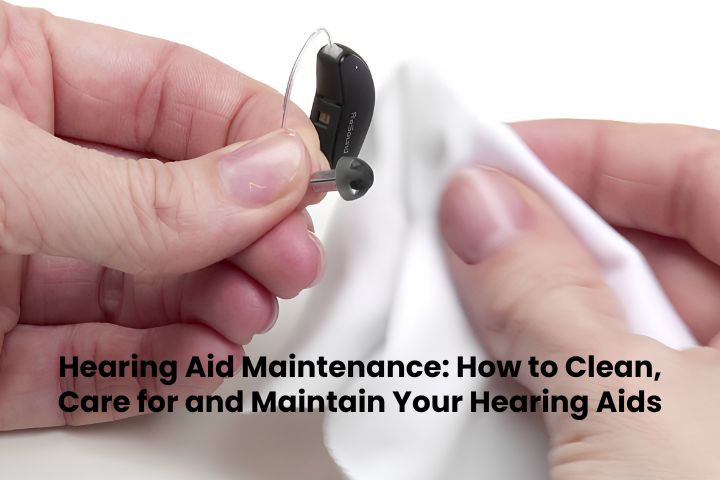
Hearing Aid Maintenance: How to Clean, Care for and Maintain Your Hearing Aids
Introduction
Hearing aids are an important part of everyday life for people with hearing loss. Whether you use them at work, while speaking to family, watching television or attending social gatherings, they help you stay connected to the sounds and conversations around you.
However, like any frequently used device, hearing aids need regular care and maintenance to perform reliably.
Daily exposure to earwax, moisture, sweat, dust and natural skin oils can affect hearing aid performance. Without proper cleaning, these substances may block microphones, sound outlets or other delicate components. Over time, this can lead to reduced sound quality, intermittent functioning or the need for professional servicing.
The good news is that maintaining your hearing aids does not have to be complicated. A few simple daily habits, combined with regular professional checks, can help keep your devices clean and functioning as intended.
In this guide, Eljay Hearing Centre explains how to clean hearing aids, protect them from moisture, care for rechargeable and battery-powered models, avoid common maintenance mistakes and recognise when professional hearing aid servicing is needed.
With 50 years of expertise and 8 branches across Chennai, Eljay Hearing Centre provides hearing aid consultation, fitting, programming, adjustments and servicing support to help you get the most from your hearing devices.
Why Is Regular Hearing Aid Maintenance Important?
Hearing aids are designed to be worn regularly, often for several hours every day. This means they are constantly exposed to conditions that can affect their performance.
Regular hearing aid maintenance is important because it helps:
- Maintain sound quality: Cleaning microphones and sound outlets helps prevent earwax and debris from interfering with sound.
- Prevent blockages: Earwax can accumulate around the dome, earmould or wax filter and reduce sound output.
- Protect delicate components: Proper handling and storage reduce the risk of accidental damage.
- Manage moisture exposure: Sweat and humidity can affect electronic components if devices are not cared for properly.
- Identify problems early: Regular checks can help you notice changes in performance before they become bigger issues.
- Support long-term use: Following the manufacturer’s care instructions helps keep hearing aids in good working condition.
Hearing aids are an investment in your hearing health. Looking after them is an important part of getting consistent performance from your devices.
How to Clean Your Hearing Aids: A Step-by-Step Guide
Cleaning your hearing aids regularly is one of the most important parts of hearing aid maintenance.
The exact cleaning method depends on the type of hearing aid you use. Behind-the-ear (BTE), receiver-in-canal (RIC) and in-the-ear (ITE) devices may have different components and cleaning requirements.
Always follow the manufacturer’s instructions and ask your audiologist to demonstrate the correct cleaning method for your specific model.
1. Clean the Outer Surface Every Day
Start by gently cleaning the outer surface of your hearing aids.
- Switch off the device if recommended by the manufacturer.
- Remove it carefully from your ear.
- Use a clean, soft, dry cloth to wipe away sweat, dust and skin oils.
- Pay attention to areas that come into contact with your skin.
- Avoid applying water or household cleaning liquids directly to the device.
Never use sharp objects, pins or needles to clean small openings.
2. Check the Microphone Openings
Hearing aid microphones receive sounds from the surrounding environment. If their openings become blocked by dust, debris or skin oils, sound quality may be affected.
Use the cleaning brush supplied or recommended by the manufacturer to gently remove visible debris.
Avoid pushing anything into the microphone openings, as this can damage the sensitive components.
3. Clean the Earwax Filter
Earwax is one of the common reasons hearing aids experience reduced sound output.
Many hearing aids have small wax filters that help prevent earwax from entering the sound outlet.
If your device has a replaceable wax filter:
- Check it regularly for visible wax accumulation.
- Follow the manufacturer’s instructions for removing the old filter.
- Replace it using the correct filter type.
- Avoid reusing disposable filters.
- Ask your audiologist to demonstrate the replacement process if you are unsure.
A blocked wax filter may make your hearing aid sound quieter or stop producing sound altogether.
4. Clean the Dome or Earmould
The dome or earmould is the part that sits inside or around your ear canal. It can collect earwax, moisture and other debris.
Depending on your hearing aid model, the cleaning process may differ.
For removable domes or earmoulds:
- Follow the manufacturer’s instructions for removing them.
- Clean only the parts that are designed to be washed.
- Allow washable components to dry completely before reconnecting them.
- Keep the electronic hearing aid body away from water.
Do not detach components unless you know how to reconnect them safely.
5. Keep the Receiver and Tubing Clear
RIC and BTE hearing aids may have receivers or tubing that need occasional inspection.
Look for visible earwax, moisture, cracks or damage. If tubing becomes stiff, discoloured or damaged, it may need professional replacement.
Do not insert wires or other objects into the tubing or receiver openings.
If sound becomes weak or distorted despite cleaning, arrange a professional check.
Daily, Weekly and Monthly Hearing Aid Maintenance Checklist
A simple routine makes hearing aid care easier to manage.
| Frequency | Maintenance task |
| Daily | Wipe the outer surface with a soft, dry cloth |
| Daily | Check for visible earwax or moisture |
| Daily | Store devices safely when not in use |
| Daily | Charge rechargeable models or check battery performance |
| Weekly | Inspect domes, earmoulds and wax filters |
| Weekly | Clean removable components as instructed |
| Monthly | Check for visible damage, cracks or loose parts |
| Monthly | Review device performance and note recurring issues |
| As recommended | Arrange professional cleaning and servicing |
The exact frequency may vary depending on your hearing aid model, earwax production, lifestyle and manufacturer’s recommendations.
How to Protect Hearing Aids from Moisture and Sweat
Moisture is one of the factors that can affect hearing aid performance.
Chennai’s humid climate, perspiration, rain and everyday exposure to water can make moisture management particularly important for hearing aid users.
Even hearing aids with some level of water resistance should not automatically be considered waterproof. Their protection ratings and limitations vary by model.
Here are some practical ways to protect your devices.
1. Remove Hearing Aids Before Bathing or Swimming
Unless your manufacturer specifically states that your device is suitable for the activity, remove hearing aids before:
- Bathing or showering.
- Swimming.
- Washing your hair.
- Using a sauna or steam room.
- Participating in water-based activities.
Avoid wearing them in situations where they may be exposed to excessive water.
2. Wipe Away Sweat After Physical Activity
Sweat can accumulate around hearing aid surfaces, particularly during exercise or outdoor activities.
After physical activity:
- Remove your hearing aids carefully.
- Wipe the outer surface with a soft, dry cloth.
- Check for moisture around the battery compartment or charging contacts, where applicable.
- Store them according to the manufacturer’s instructions.
3. Consider a Hearing Aid Drying Kit
A hearing aid drying kit or dehumidifier may help reduce moisture exposure.
Depending on the product, these devices use desiccants or controlled drying methods to help remove moisture from hearing aids.
Ask your audiologist which drying solution is suitable for your specific model.
Do not use a hair dryer, heater, microwave or direct sunlight to dry hearing aids. Excessive heat can damage their components.
4. Store Hearing Aids Properly Overnight
When you are not wearing your hearing aids, keep them in a clean, dry and secure place.
- Use the supplied storage case or an approved drying system.
- Keep devices away from bathrooms and other humid areas.
- Store them out of reach of children and pets.
- Follow the manufacturer’s instructions for battery removal or charging.
Proper storage helps protect hearing aids from accidental damage and unnecessary exposure to moisture.
Hearing Aid Battery Care: What Should You Know?
Battery care is an important part of hearing aid maintenance for people using disposable battery-powered devices.
Poor battery handling can affect performance and may lead to unexpected interruptions.
Tips for Disposable Hearing Aid Batteries
- Use the battery size and type recommended for your device.
- Keep spare batteries in their original packaging until needed.
- Store batteries in a cool, dry place.
- Avoid keeping loose batteries in pockets or bags with coins and other metal objects.
- Wash and dry your hands before handling batteries.
- Follow the manufacturer’s instructions when replacing batteries.
- Keep batteries away from children and pets.
Hearing aid batteries can be dangerous if swallowed. If a child or pet swallows a battery, seek emergency medical or veterinary help immediately.
Tips for Rechargeable Hearing Aids
Rechargeable hearing aids are convenient because they reduce the need for frequent disposable battery replacement. However, they still require proper charging and care.
Follow these tips:
- Use the charger supplied or approved by the manufacturer.
- Keep charging contacts clean and dry.
- Make sure the hearing aids are positioned correctly in the charging case.
- Avoid exposing the charger to moisture.
- Follow the recommended charging routine.
- Do not attempt to replace an internal rechargeable battery yourself.
If your rechargeable hearing aid is not charging properly, check the charger, power connection and device positioning before arranging professional servicing.
Common Hearing Aid Maintenance Mistakes to Avoid
Even small cleaning mistakes can affect hearing aid performance. Avoid these common habits.
1. Using Water or Household Cleaning Products
Hearing aids contain sensitive electronic components. Applying water, alcohol, sanitiser, soap or household cleaning solutions directly to them can cause damage.
Use only cleaning products approved for your device.
2. Using Sharp Objects to Remove Earwax
Pins, needles, toothpicks and other sharp objects can damage wax filters, microphones and sound outlets.
Use the recommended cleaning brush and tools instead.
3. Ignoring Blocked Wax Filters
If your hearing aid sounds quieter than usual, a blocked wax filter may be one possible reason.
Check the filter according to the manufacturer’s instructions rather than increasing the volume repeatedly.
4. Exposing Devices to Excessive Heat
Leaving hearing aids in direct sunlight, inside a hot car or near a heater can damage electronic components and batteries.
Store them in a cool, dry location.
5. Attempting Repairs at Home
Hearing aids are compact devices with delicate components. Trying to open the casing, repair internal wiring or replace parts without professional guidance can cause further damage.
If the device is not functioning correctly, consult your hearing care professional.
6. Skipping Professional Servicing
Daily cleaning is important, but it does not replace professional inspection.
An audiologist or hearing aid technician can check components, identify blockages, assess performance and recommend adjustments or servicing when needed.
Signs Your Hearing Aid Needs Professional Servicing
Sometimes, cleaning your hearing aids at home may not resolve the problem.
If you notice any of the following issues, it may be time to arrange a professional check.
- Reduced sound output: Your hearing aids seem quieter even after cleaning.
- Intermittent sound: The device works sometimes but stops unexpectedly.
- Whistling or feedback: You notice repeated whistling that does not improve after checking the fit.
- Distorted sound: Voices or other sounds seem unclear, crackling or unnatural.
- Charging problems: Rechargeable hearing aids do not charge consistently.
- Physical damage: You notice cracks, loose components or damaged tubing.
- Repeated wax blockage: Wax filters become blocked frequently.
- Poor fit: The hearing aid feels uncomfortable or no longer sits properly.
- Battery issues: Battery life becomes noticeably shorter than expected.
Do not continue using a damaged device without having it checked.
Also remember that a sudden change in your ability to hear may not be caused by the hearing aid itself. If your hearing suddenly worsens, particularly in one ear, seek urgent medical assessment rather than assuming the device needs repair.
How Often Should Hearing Aids Be Serviced?
There is no single servicing schedule that applies to every hearing aid.
The recommended frequency depends on:
- The hearing aid model and design.
- How many hours you wear it each day.
- Your earwax production.
- Exposure to sweat, dust and humidity.
- Whether you use disposable or rechargeable batteries.
- The manufacturer’s maintenance recommendations.
- Any changes in sound quality or device performance.
Many users benefit from periodic professional checks, even when their hearing aids appear to be working normally.
Your audiologist can recommend an appropriate schedule based on your device and individual needs.
It is also important to remember that hearing aid servicing and hearing reassessment are not the same thing. If you feel that your hearing has changed, you may need a fresh hearing evaluation and adjustments to your hearing aid programming.
Why Professional Hearing Aid Servicing Matters
Home cleaning helps maintain everyday hygiene, but professional servicing addresses problems that may not be visible.
A professional hearing aid check may include:
- Inspecting the device for physical damage.
- Checking microphones and sound outlets.
- Inspecting wax filters, domes and earmoulds.
- Checking tubing and receivers.
- Assessing battery or charging performance.
- Cleaning components using appropriate tools.
- Checking device output and performance.
- Reviewing programming and settings when necessary.
If your hearing aid is not providing the clarity or comfort you previously experienced, professional adjustments may help identify whether the issue is related to the device, its settings or a change in your hearing.
At Eljay Hearing Centre, hearing aid users can seek guidance on maintenance, adjustments, programming and servicing based on their device and hearing requirements.
Does Hearing Aid Maintenance Improve Sound Quality?
Proper maintenance can help preserve the performance of your hearing aids.
For example, removing accumulated earwax from the appropriate components may restore sound output if a blockage was affecting the device.
Similarly, keeping microphones clear, managing moisture and checking the fit can help reduce avoidable performance problems.
However, cleaning cannot correct every hearing aid issue.
If sound remains unclear after cleaning, the problem may involve a damaged component, an incorrect fit, programming requirements or a change in your hearing.
A professional assessment can help determine the next step.
Hearing Aid Maintenance at Eljay Hearing Centre, Chennai
Hearing aids are designed to support your everyday communication, but looking after them is an important part of getting the best possible experience.
From cleaning wax filters and protecting devices from moisture to checking sound quality and arranging professional servicing, consistent maintenance can help prevent avoidable problems.
At Eljay Hearing Centre, we provide hearing aid consultation, fitting, programming, adjustments and servicing support to help users maintain their hearing devices.
With 50 years of expertise and 8 branches across Chennai, Eljay Hearing Centre supports hearing aid users with personalised guidance and professional hearing care.
Whether your hearing aid needs routine attention, cleaning guidance, programming adjustments or a professional check, getting the right support can make a difference.
Need help with your hearing aids? Get in touch with Eljay Hearing Centre.
Website: https://eljayhearing.com/
Appointments: https://appointment.eljayhearing.com/
At Eljay Hearing Centre, we provide advanced hearing aids from:
8 branches across Chennai: Or visit your nearest Eljay Hearing Centre in:
- Purasawalkam (Head Office): A1, 1st Floor, Garden Apartments, No.68, Purasawalkam High Road, Chennai – 600007
- Adyar: No.75, Dhanalakshmi Ave, near Nalli Silks, Kasturba Nagar, Chennai – 600020
- Abhiramapuram :Flat no 1 ,Ground Floor Alamelu Enclave, No 1, Abhiramapuram 4th street, Chennai 600018
- Ambattur: No.426/469, MM Tower, MTH Road, Opp. Rakki Cinemas, Behind Axis Bank, Chennai – 600053
- Nanganallur: No.14, 2nd Main Road, Ram Nagar, Near Anjaneyar Temple, Opp. Sidney Hospital, Chennai – 600061
- Tambaram (West): No.21, Duraisamy Reddy Street, Next to Passport Office, Chennai – 600045
- Velachery: No.26/15, Sai Ram Complex, 100-ft Road, next to Dr. Batra’s, Vijaya Nagar, Chennai – 600042
- Tondiarpet: No.71, O.No, 15/1, Kummalamman Koil St, opp. to KVT Maaligai, Sanjeevarayanpet, Tondiarpet, Chennai, Tamil Nadu 600081
 Book a consultation today: appointment.eljayhearing.com
Expert care is always within reach, wherever you are in Chennai.
👉 Book an appointment: https://appointment.eljayhearing.com/
🌐 Learn more: https://eljayhearing.com/
Frequently Asked Questions About Hearing Aid Maintenance
1. How often should I clean my hearing aids?
You should generally wipe the outer surface of your hearing aids every day using a soft, dry cloth. Check for earwax and moisture regularly, and clean removable components according to the manufacturer’s instructions.
2. Can I clean my hearing aids with water?
You should not wash the electronic body of your hearing aids with water. Some removable components may be washable, depending on the model, but only follow the manufacturer’s instructions. Always make sure washable parts are completely dry before reconnecting them.
3. What is the best way to remove earwax from hearing aids?
Use the cleaning brush and wax-filter replacement tools recommended for your hearing aid model. Avoid using pins, needles or sharp objects, as these can damage delicate components.
4. Why does my hearing aid sound quieter than usual?
A quieter hearing aid may be caused by a blocked wax filter, dirty microphone openings, moisture, low battery power or a device fault. Check the cleaning and battery instructions for your model. If the problem continues, arrange a professional hearing aid check.
5. Can sweat damage hearing aids?
Excessive moisture and sweat can affect hearing aid components over time. Wipe your devices with a soft, dry cloth after physical activity and use an approved drying solution if recommended for your model.
6. Are rechargeable hearing aids easier to maintain?
Rechargeable hearing aids eliminate the need to regularly replace disposable batteries, but they still require daily cleaning, moisture protection and correct charging. Their maintenance requirements depend on the specific model.
7. How long do hearing aids last?
The lifespan of hearing aids varies depending on the model, usage, care, technology and servicing history. Following the manufacturer’s maintenance recommendations and arranging professional checks can help protect your investment.
8. Can I repair my hearing aid at home?
Basic cleaning and approved wax-filter replacement may be possible at home. However, internal repairs, damaged components and persistent technical problems should be handled by a qualified professional.
9. How often should I get my hearing aids professionally serviced?
The recommended frequency depends on your hearing aid model, usage and individual needs. Your audiologist can suggest a suitable servicing schedule. You should also arrange a check whenever you notice persistent changes in performance.
10. Where can I get hearing aid servicing in Chennai?
You can contact Eljay Hearing Centre for hearing aid servicing guidance, adjustments and hearing care across its 8 branches in Chennai. Visit https://eljayhearing.com/ or book an appointment at https://appointment.eljayhearing.com/.